Ask a Southern table to choose between biscuits and cornbread and you will start an argument that outlasts the meal. The two breads are not interchangeable, whatever a menu makes of it. They are built differently, they behave differently next to food, and each one has plates it belongs on and plates it ruins. Restaurants in Clover that serve both, working through pans of each every week, are not being indecisive. They are covering two different jobs.
Here is how the jobs split, so you can order with intent instead of habit.
The two breads, side by side
| Biscuits | Cornbread | |
|---|---|---|
| Base | Soft wheat flour, cut with fat | Cornmeal, usually with some wheat flour |
| Fat | Butter, shortening, or lard worked in cold | Bacon drippings or oil, often in a hot skillet |
| Texture | Flaky, layered, pull-apart | Crumbly, crisp-edged, sturdy |
| Best with | Gravy, breakfast plates, fried chicken | Beans, greens, chili-style stews, soup |
| Leftover fate | Split and toasted, or a shortcake base | Crumbled into dressing, or into a glass of buttermilk |
The structural difference is the fat. A biscuit is a laminated dough: cold fat in pieces, folded flour, and a fast bake, so it rises in layers. Cornbread is a batter: cornmeal and liquid poured into a hot, greased skillet, so it forms a crust on contact and stays dense and crumbly inside. One is built to pull apart and sop; the other is built to crumble and soak.
Matching bread to plate
Gravy decides the first question. Any plate carrying gravy, country steak, sausage gravy, chicken with pan sauce, wants a biscuit, because a split biscuit is a purpose-built gravy vehicle with a soft crumb that drinks it up. Beans and greens decide the second: pinto beans, butter beans, and turnip or collard greens want cornbread, traditionally crumbled over the top or eaten alongside in wedges, with the bread absorbing the cooking liquid Southerners call pot liquor.
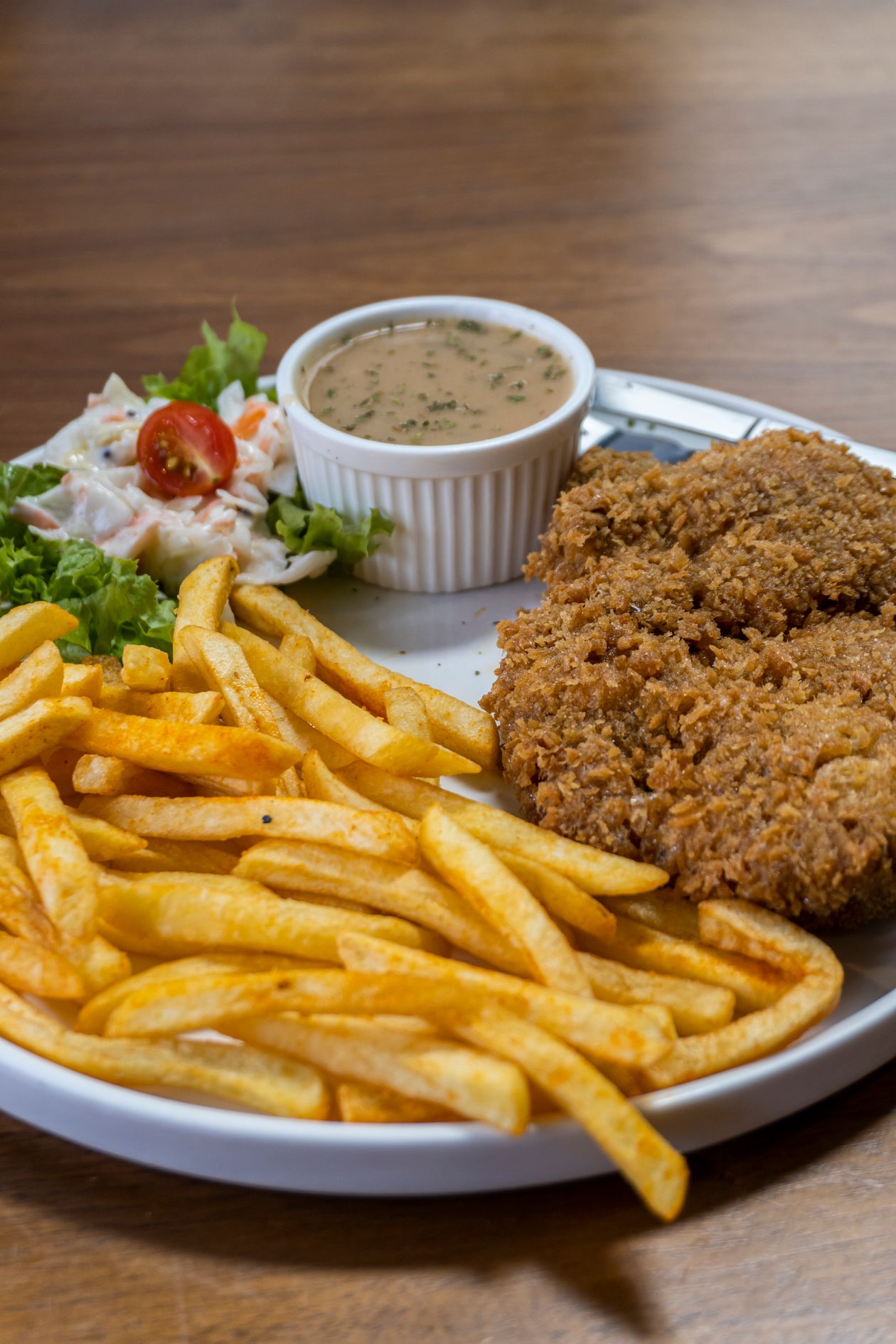
Fried chicken is the honest tie. It eats well with a biscuit, especially with honey or pepper jelly involved, and it eats well with cornbread, especially when the plate leans toward beans and greens. When a restaurant gives you the choice, let the sides decide: gravy and breakfast flavors say biscuit, beans and greens say cornbread.
The skillet and the sweet question
Real cornbread is a skillet food. The batter hits bacon-fat-hot cast iron and the crust forms instantly, which is why the edges and bottom are the prized parts. Cornbread cooked in a glass dish or a muffin tin is a different, softer thing. Then there is the sugar question, the South's most reliable dinner argument. Some kitchens sweeten cornbread; many traditionalists, especially in the Carolinas, hold that sugar makes it cake and keep it out. There is no settling it, but there is a rule for guests: eat the house version without commentary, because the cook has heard the argument before and has chosen a side.
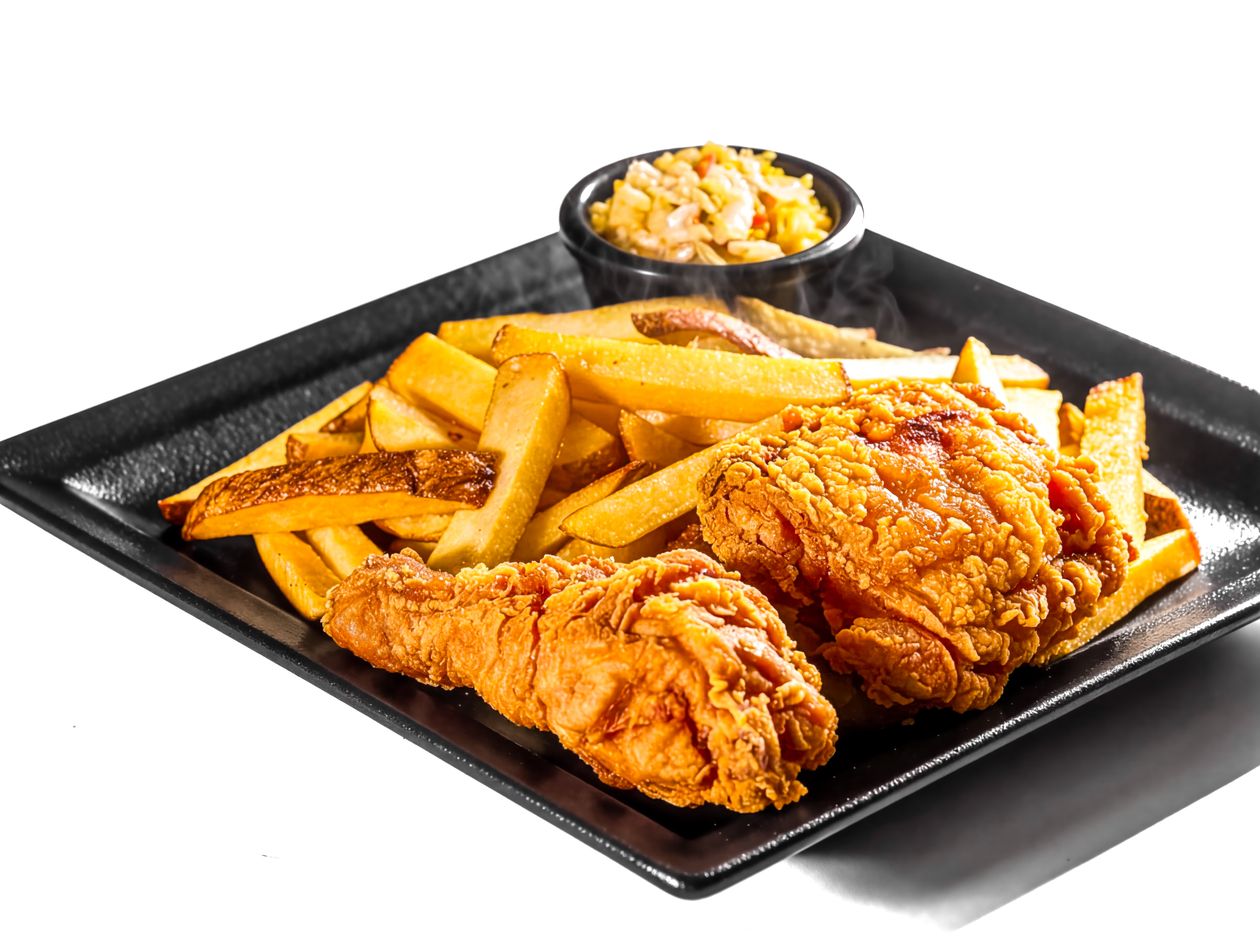
At Clover Station, the kitchen goes through biscuits and cornbread by the panful every week, which tells you the local verdict: the town refuses to choose. The correct order is whichever bread the plate in front of you asks for.
Making either bread at home
Home bakers in the Clover area who want to copy a restaurant version should know where the gap usually is. For biscuits, it is fat temperature and handling: the fat goes in cold, the dough gets folded a few times and then left alone, and a hot oven does the rising. Overworking the dough is the classic error, and it produces the dense, tough biscuit that gives the form a bad name in other regions. Soft winter wheat flour, the traditional Southern choice, helps, because its lower protein keeps the crumb tender.
For cornbread, the gap is the skillet. The pan and the fat in it must be genuinely hot before the batter goes in, hot enough that the batter sizzles on contact. That sizzle is the crust forming. A cold pan of cornbread, baked gently, comes out pale and cakey, and no recipe adjustment fixes it, because the recipe was never the problem. Heat first, then batter, then patience: both breads are five-ingredient foods where technique is nearly everything.
Common questions
Which bread goes with pinto beans?
Cornbread, by long tradition. It crumbles into the beans and soaks up the cooking liquid, and a wedge on the side handles the rest.
Why is cornbread baked in a skillet?
A preheated cast iron skillet gives cornbread its crisp crust and edges the moment the batter hits the hot fat. It is the defining texture of the traditional version.
Is sweet cornbread wrong?
It is a regional and household preference, not an error. Many Carolina kitchens leave sugar out entirely; others add a little. Eat the house version as it comes.
Photos in this guide are representative stock images.
← All guides from Clover Station← Back to Clover Station